Shoestring Budgets, Big Ideas

Promotion on a Modest Wage Bill

Four managers who climbed divisions or lifted cups without the money that usually buys such things, and the habits that made it possible.

Small-club management is a discipline of trade-offs. There is rarely money for a ready-made striker, so the manager has to build one. There is no medical department of twenty people, so fitness and recovery depend on routine and trust. The four portraits below share a pattern: each manager created a clear identity, recruited players who fitted it rather than players who looked good on paper, and asked supporters to believe in a long project.

Their methods matter beyond nostalgia. The academy-led model now admired at clubs across Europe owes something to Crewe in the 1980s and 1990s. The direct, high-tempo football that carried Watford and Wimbledon upward was unfashionable, yet modern analysts now openly discuss territory, second balls and set pieces as legitimate weapons. These managers were working that out decades earlier, with far less.

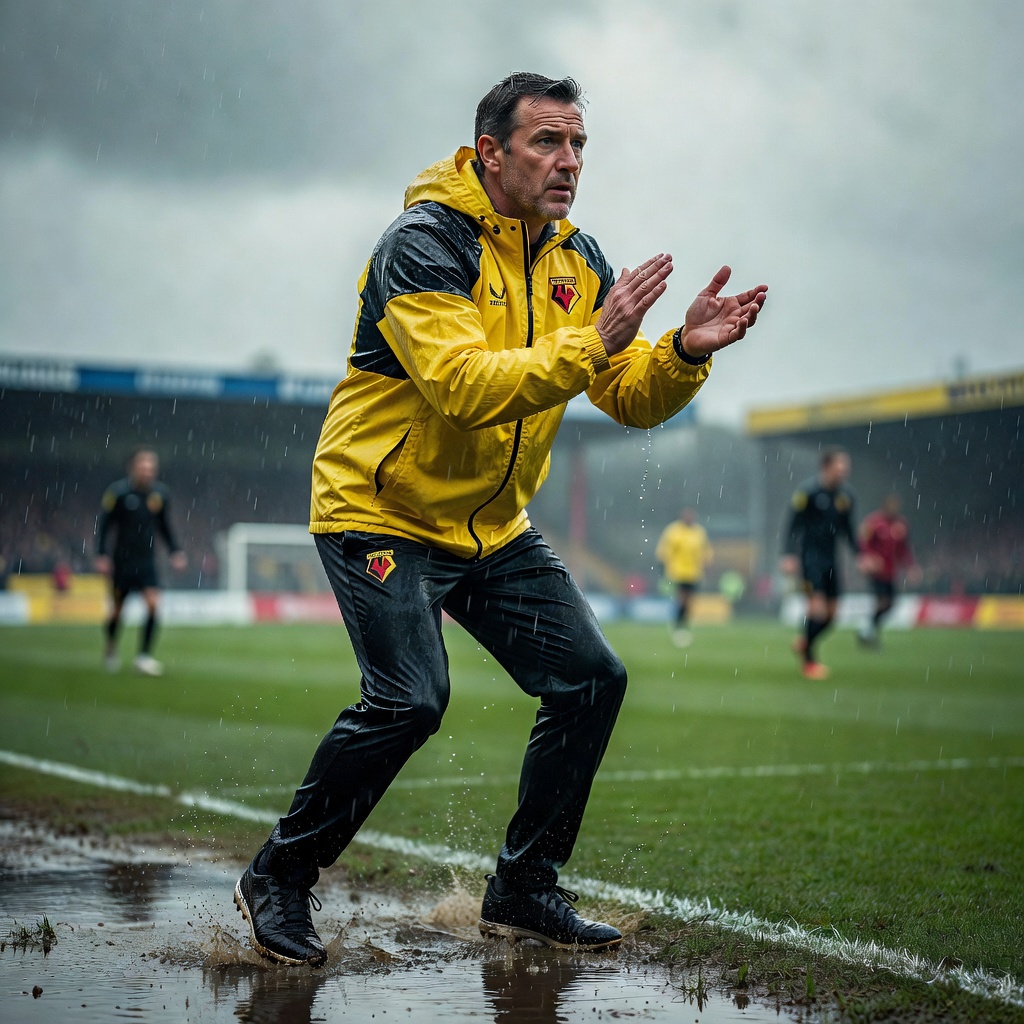
A manager in a club rain jacket clapping his players from the touchline on a wet afternoon
Illustrative photograph of a touchline scene.

Graham Taylor

Watford, 1977–1987 · Aston Villa · England

Taylor's later England spell overshadowed what came before, which is a pity, because his decade at Vicarage Road is one of English football's most remarkable climbs. Arriving at a Fourth Division club with Elton John as chairman, he built a squad around fitness, width and the rapid delivery of the ball into the penalty area. He also insisted that players work in the community, visiting schools and hospitals, so that Watford became a family club in the literal sense.

His teams were criticised as crude. The record suggests they were simply clear: everyone knew their job, and the side that finished second behind Liverpool in 1982–83 included John Barnes, a winger Taylor had signed from non-league Sudbury Court.

  • 1977–78Fourth Division champions
  • 1978–79Third Division runners-up
  • 1981–82Second Division runners-up, first top-flight promotion
  • 1982–83First Division runners-up
  • 1984FA Cup final against Everton
A youth coach watching teenagers dribble through training cones on an academy pitch
Illustrative photograph of an academy session.

Dario Gradi

Crewe Alexandra, 1983–2007 and later spells

Gradi took over a club that regularly applied for re-election to the Football League. His answer was to make Crewe a school. Players were taught to pass on the ground, to receive on the half-turn and to keep possession under pressure, regardless of the division. Selling the best graduates funded the next generation, and the cycle kept the club solvent.

The alumni list is the evidence: David Platt, Rob Jones, Danny Murphy, Seth Johnson and Dean Ashton all passed through Gresty Road, while Robbie Savage and Neil Lennon rebuilt their careers there. In 1997 Crewe beat Brentford in the play-off final at Wembley to reach the second tier, a level the town's size suggested was out of reach.

  • 1983Appointed at a struggling Fourth Division club
  • 1989Promotion to the Third Division
  • 1997Play-off win takes Crewe into the second tier
  • 1998Awarded the MBE for services to football
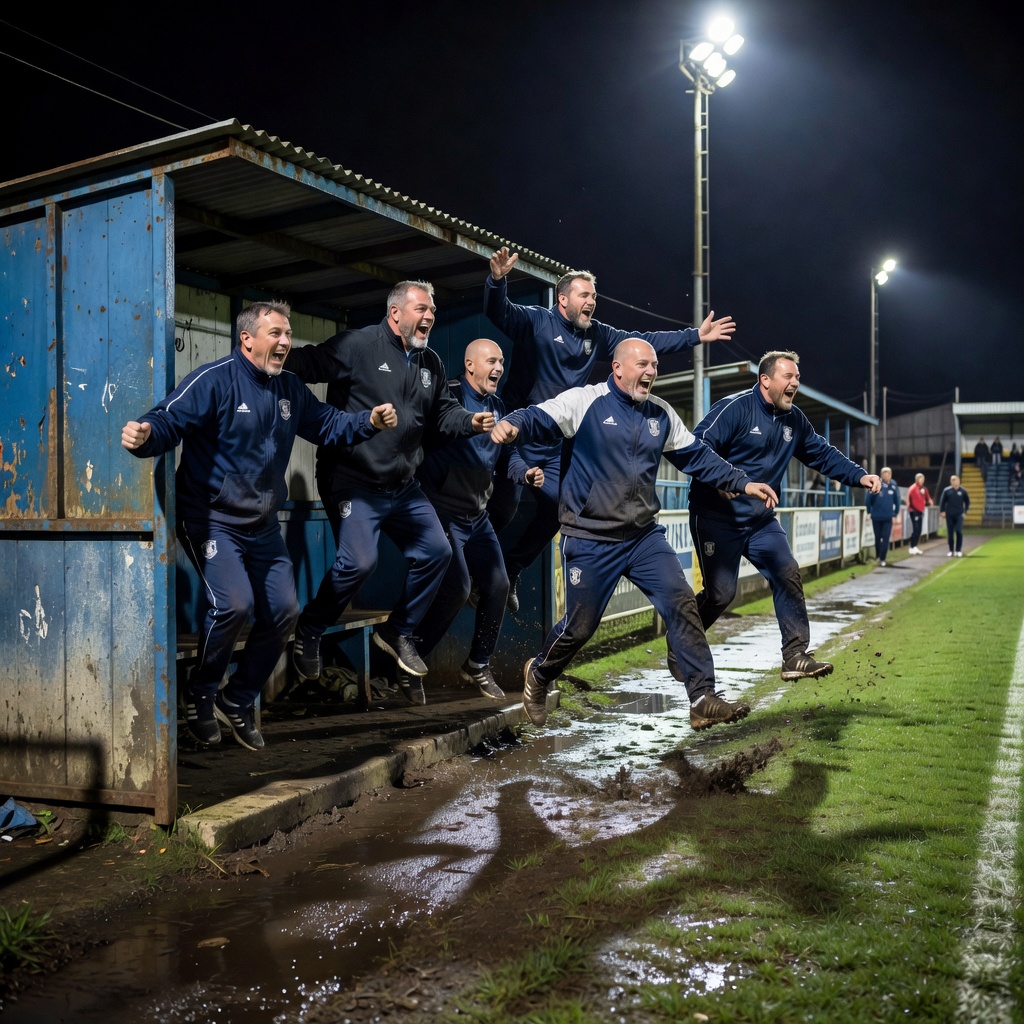
Coaching staff leaping out of a small dugout to celebrate a late goal
Illustrative photograph of a lower-league dugout.

Dave Bassett

Wimbledon, 1981–1987 · Sheffield United

Wimbledon had only been elected to the Football League in 1977. Within a decade they were in the First Division, and Bassett was the architect. He recruited hungry players overlooked elsewhere, encouraged a fierce collective spirit and played to the side's physical strengths. Purists objected; opponents simply struggled to cope.

In their first top-flight season Wimbledon finished sixth. Bassett later repeated the trick at Sheffield United, winning back-to-back promotions, which suggests that the method, not luck, was the constant.

  • 1982–83Fourth Division champions
  • 1983–84Third Division runners-up
  • 1985–86Promoted to the First Division
  • 1986–87Sixth in the First Division
A manager in a suit walking out of a stadium tunnel ahead of his players
Illustrative photograph of a cup-day walkout.

Lawrie McMenemy

Southampton, 1973–1985

McMenemy's Southampton were a Second Division side when they faced Manchester United in the 1976 FA Cup final. Bobby Stokes's goal won the cup, and it remains one of the competition's great upsets. What followed is less remembered: promotion in 1978, the signing of Kevin Keegan in 1980 and a runners-up finish in the First Division in 1983–84.

McMenemy was a skilled man-manager who could persuade established stars that a provincial club offered something special. He blended experienced signings with academy players and kept the dressing room united.

  • 1976FA Cup winners as a Second Division club
  • 1978Promotion to the First Division
  • 1984First Division runners-up

What links them: clarity of role, recruitment for character, and patience from the boardroom. None of these managers needed the best players; they needed the right ones, and time.

Continue to The Teachers of Famous Pupils.