Mentors Behind the Famous Names

The Teachers of Famous Pupils

Before the celebrated coaches and players came the people who taught them. Four portraits of mentors whose influence outlived their fame.

Football loves a genius, and it often forgets the classroom the genius came from. Total Football did not appear fully formed in Amsterdam in 1970; it grew out of decades of coaching at Ajax that began with an Englishman. Bayern Munich's European dominance in the mid-1970s was steered by a coach better known in Japan than in his native Germany. The great Torino side of the 1940s depended on a Hungarian thinker whose name is rarely mentioned outside Turin.

A mentor's achievement is hard to measure, because it shows up in other people's trophies. We have tried to trace it through debuts handed out, habits passed on, and the testimony of pupils who later explained where their ideas came from.

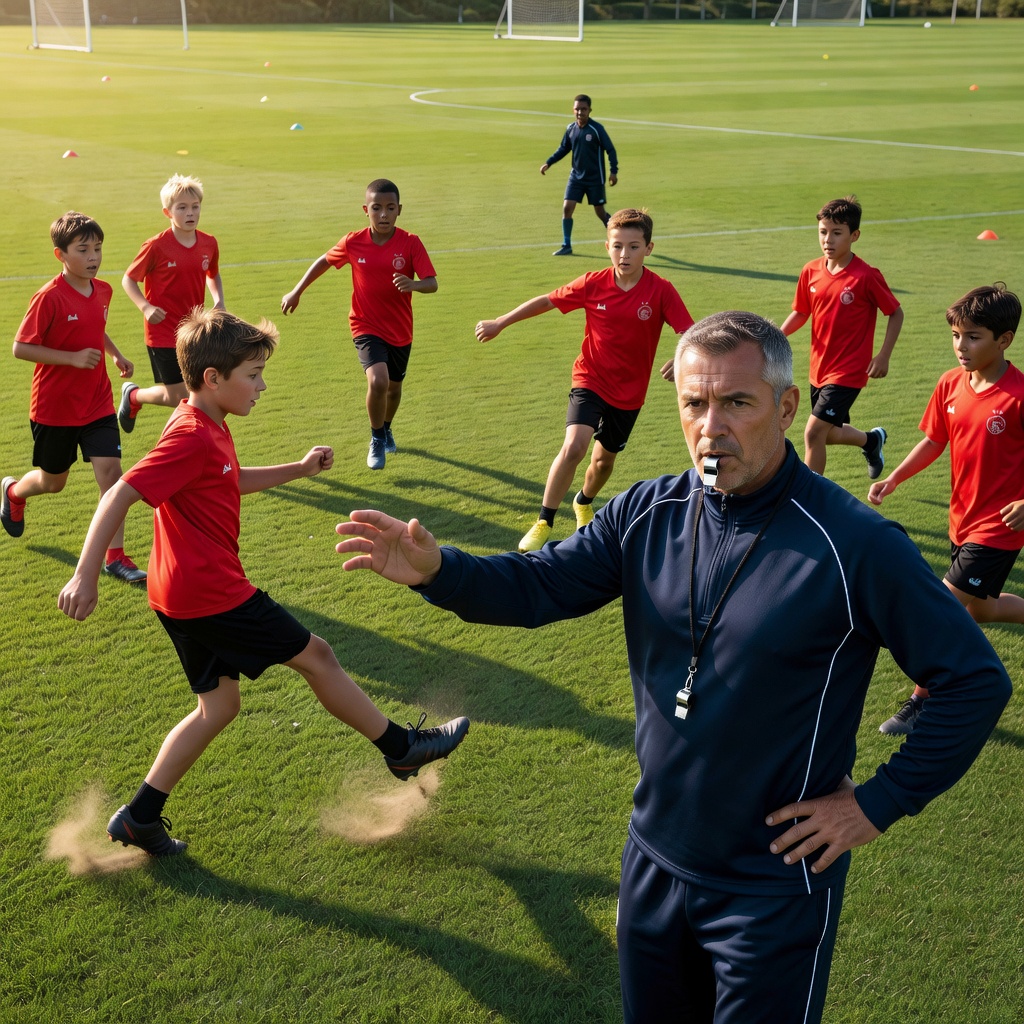
A coach with a whistle demonstrating a passing pattern to young players on a sunny training field
Illustrative photograph of a passing drill.

Jack Reynolds

Ajax, 1915–1925, 1928–1940, 1945–1947

Reynolds, a modest English coach from Manchester, spent most of his working life in Amsterdam. Across three spells he built the culture of technical training and attacking football that Ajax still claims as its own. He insisted that every team in the club, from youth sides upward, play the same way, an idea that became the basis of Ajax's later academy philosophy.

His pupils included Rinus Michels, who made his debut under Reynolds in 1946 and later became the coach most associated with Total Football. The line from Reynolds to Michels to Cruyff runs straight through modern possession football.

  • 1915Appointed Ajax coach
  • 1918, 1919First Dutch league titles
  • 1930sFive further championships
  • 1946Gives Rinus Michels his debut
  • 1947Final title before retirement
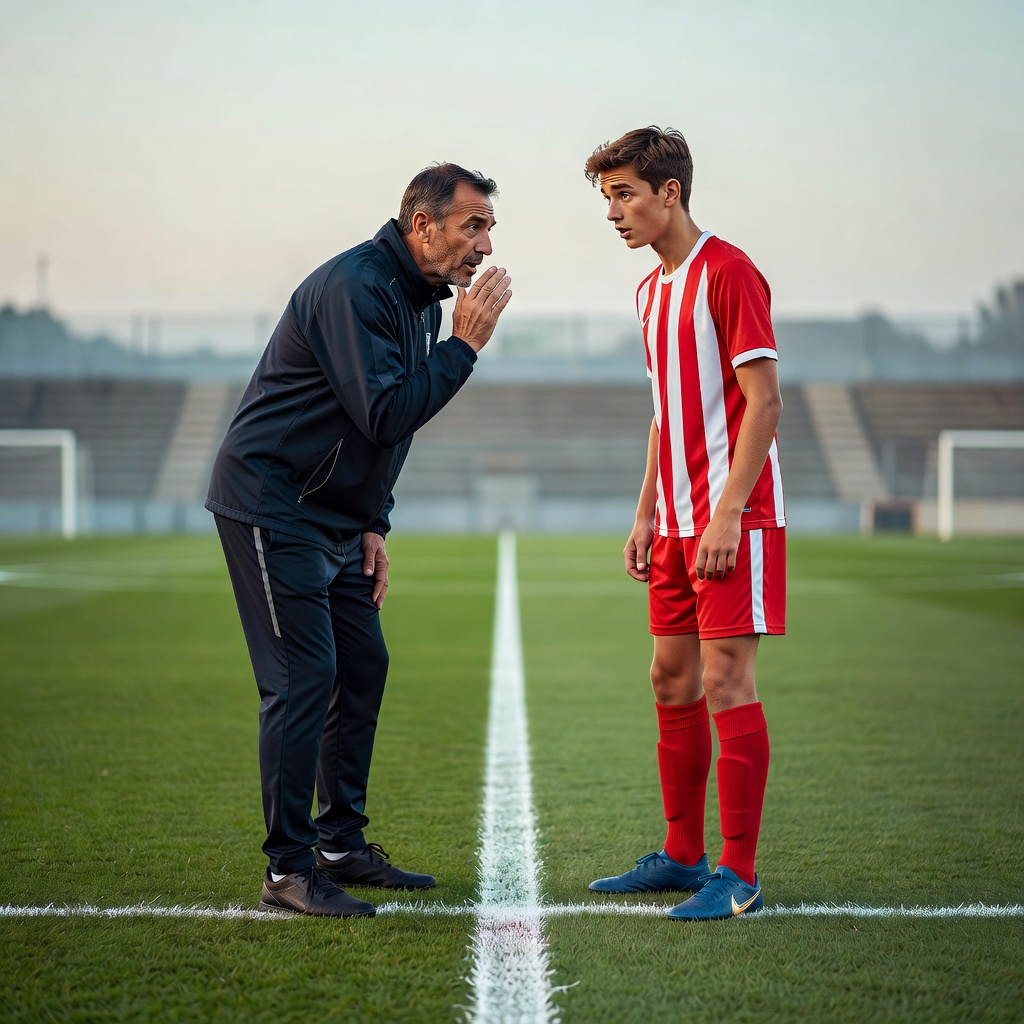
A manager speaking quietly to a teenage forward beside the halfway line
Illustrative photograph of a coach and young player.

Vic Buckingham

West Bromwich Albion · Ajax · Barcelona

Buckingham's West Brom won the FA Cup in 1954 playing neat, short-passing football unusual in England at the time. He took the same instincts to Ajax, winning the Dutch title in 1960, and in his second spell he handed a skinny teenager named Johan Cruyff his first-team debut in November 1964.

He later coached Barcelona and won the Spanish cup in 1971, preparing the ground for Cruyff's arrival there as a player. Cruyff himself spoke warmly of Buckingham's influence, and the sequence of clubs reads like a map of possession football's evolution.

  • 1954FA Cup winner with West Brom
  • 1960Dutch champion with Ajax
  • 1964Gives Johan Cruyff his debut
  • 1971Spanish cup with Barcelona
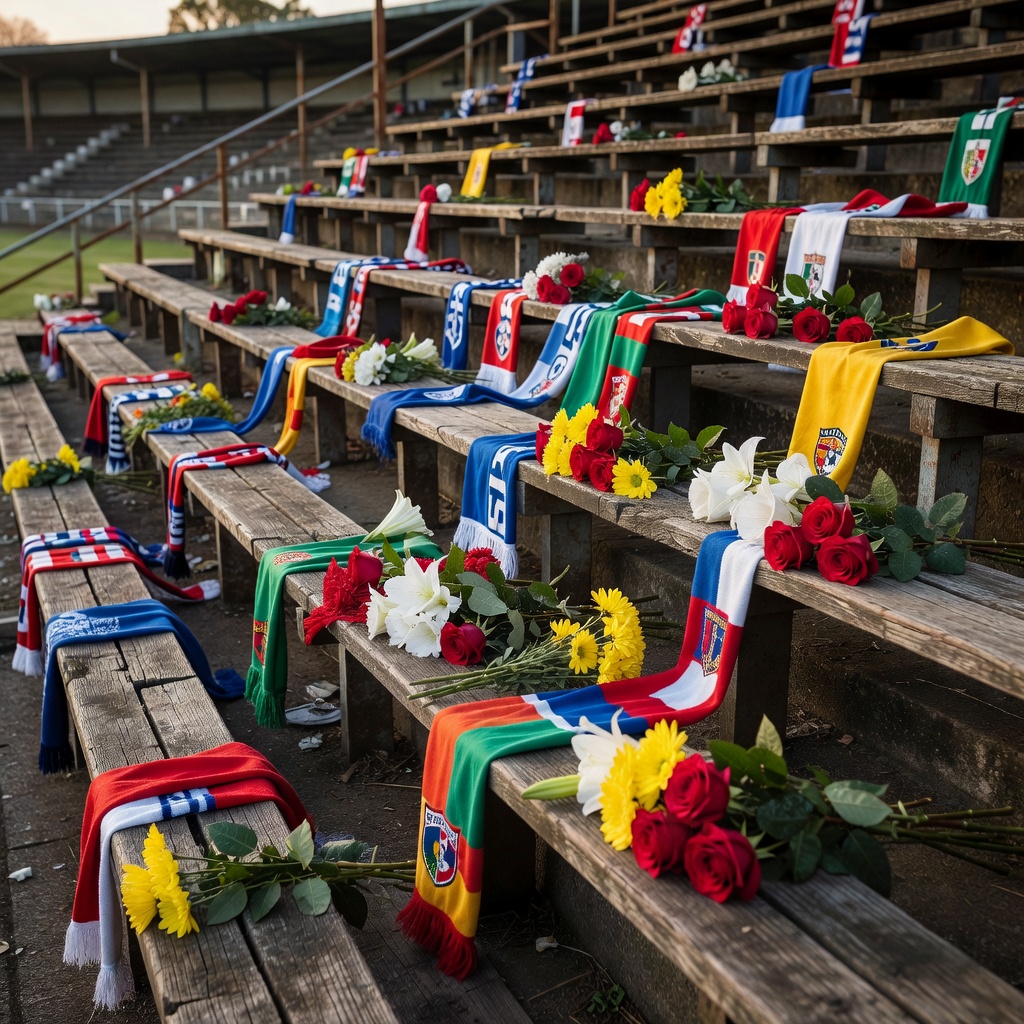
An old wooden stadium stand with flowers and scarves laid in remembrance
Illustrative photograph of a stadium memorial.

Ernő Egri Erbstein

Lucchese · Torino technical director

Erbstein was a Hungarian Jewish coach whose career in Italy was interrupted by the racial laws of 1938 and who survived the war in Budapest under constant threat. He returned to Turin and became the guiding mind behind Il Grande Torino, the side built around Valentino Mazzola that won five consecutive Italian titles.

Erbstein valued intelligence, versatility and fluid movement, and he took a scientific approach to preparation. He died with the team in the Superga air disaster on 4 May 1949. His story was largely forgotten until historians reconstructed it decades later.

  • 1930sRebuilds Lucchese and rises to Serie A
  • 1938Forced out of Italy by racial laws
  • 1946–49Torino technical director during title run
  • 1949Dies at Superga with the team
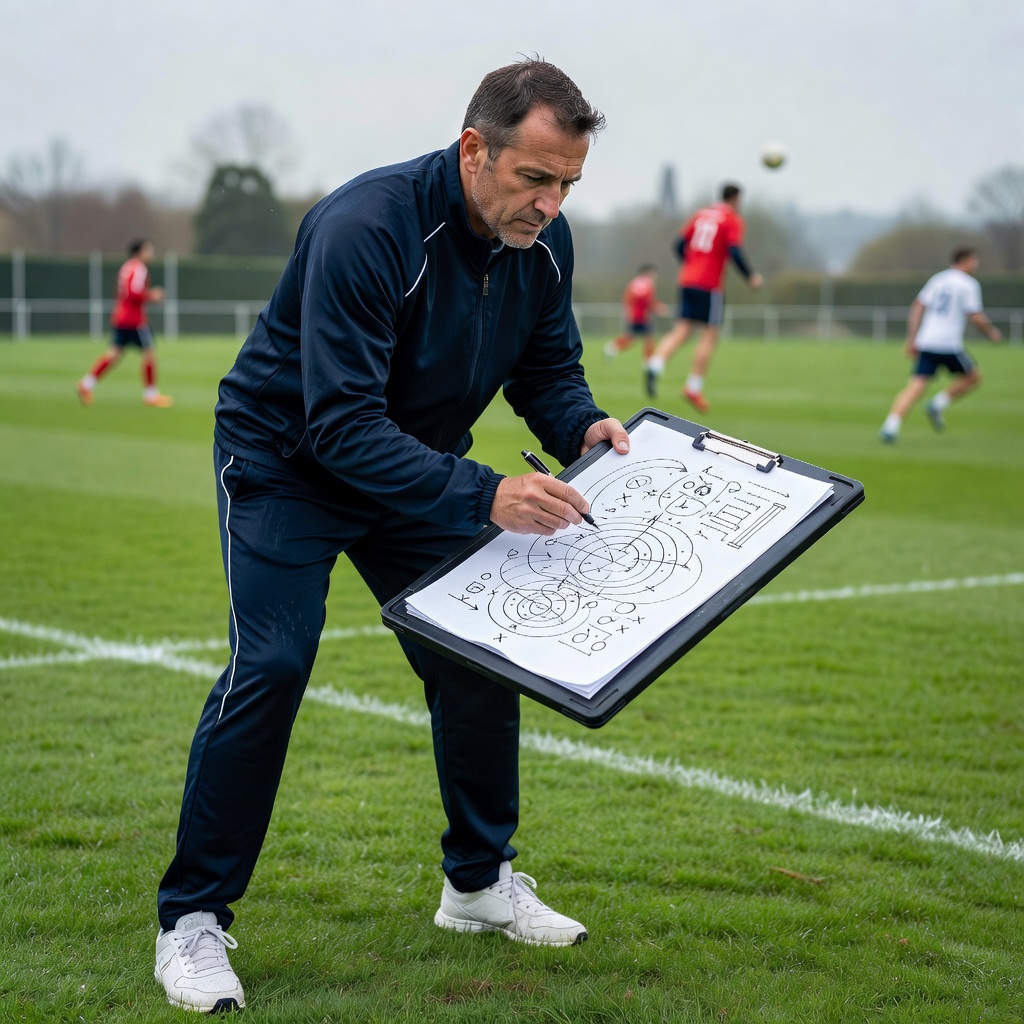
A coach writing training notes on a clipboard at the side of a pitch
Illustrative photograph of a coach taking notes.

Dettmar Cramer

Japan · FIFA coaching instructor · Bayern Munich

Cramer arrived in Japan in 1960 to prepare the national side for the 1964 Tokyo Olympics. He built training structures, educated coaches and pushed for a national league; Japan won bronze at the 1968 Mexico City Olympics, and he is still called the father of Japanese football there.

As a FIFA instructor he taught coaches across Asia, Africa and the Americas. At Bayern he won the European Cup in 1975 and 1976, but his true legacy is the thousands of coaches he trained.

  • 1960Begins work with Japan
  • 1968Japan win Olympic bronze
  • 1975, 1976European Cup winner with Bayern

What links them: each believed coaching was teaching, and that the method should outlast the coach. Their pupils carried it further than they could.

Continue to Reputations Earned Far From Home.