Careers Built Abroad

Reputations Earned Far From Home

Some managers are prophets everywhere except their own country. These four found the trust, and the trophies, in places that embraced them.

Coaching abroad strips a manager down to essentials. There is a new language, a new football culture and often a squad that has never heard of you. Success requires adaptability and humility, qualities that rarely make headlines. Yet some of the most significant careers in football history were built this way, and their achievements were often dismissed at home because they happened somewhere else.

The four portraits here span nearly a century, from an Englishman in a bowler hat in the Basque Country to a Serbian coach who led five different nations at the World Cup. Each shows how a foreign coach can bring structure, confidence and fresh ideas to a football culture ready to grow.

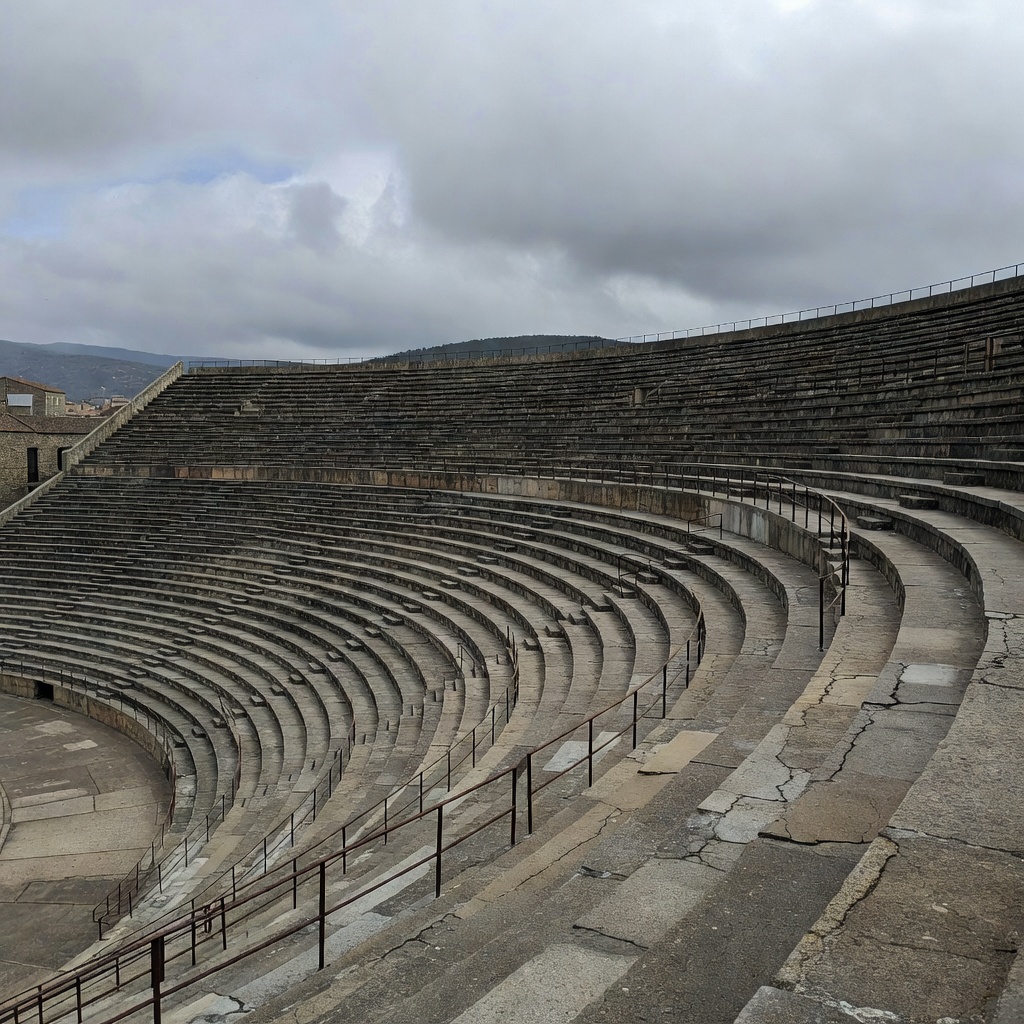
Steep terraces of a traditional football stadium under a cloudy northern Spanish sky
Illustrative photograph of a traditional stadium.

Fred Pentland

Athletic Bilbao, 1922–1925 and 1929–1933

A former England international, Pentland spent the First World War interned at the Ruhleben camp near Berlin, where he helped organise football among prisoners. In Spain he became "El Míster", the bowler-hatted Englishman who taught Athletic short passing and fitness, and whose title is still used for coaches across the Spanish-speaking world.

His second spell in Bilbao produced a golden era: two league titles, four consecutive Spanish cups and a 12–1 win over Barcelona in 1931 that remains Barcelona's heaviest defeat.

  • 1914–18Interned at Ruhleben
  • 1923Spanish cup with Athletic
  • 1930, 1931La Liga champions
  • 1930–33Four consecutive Spanish cups

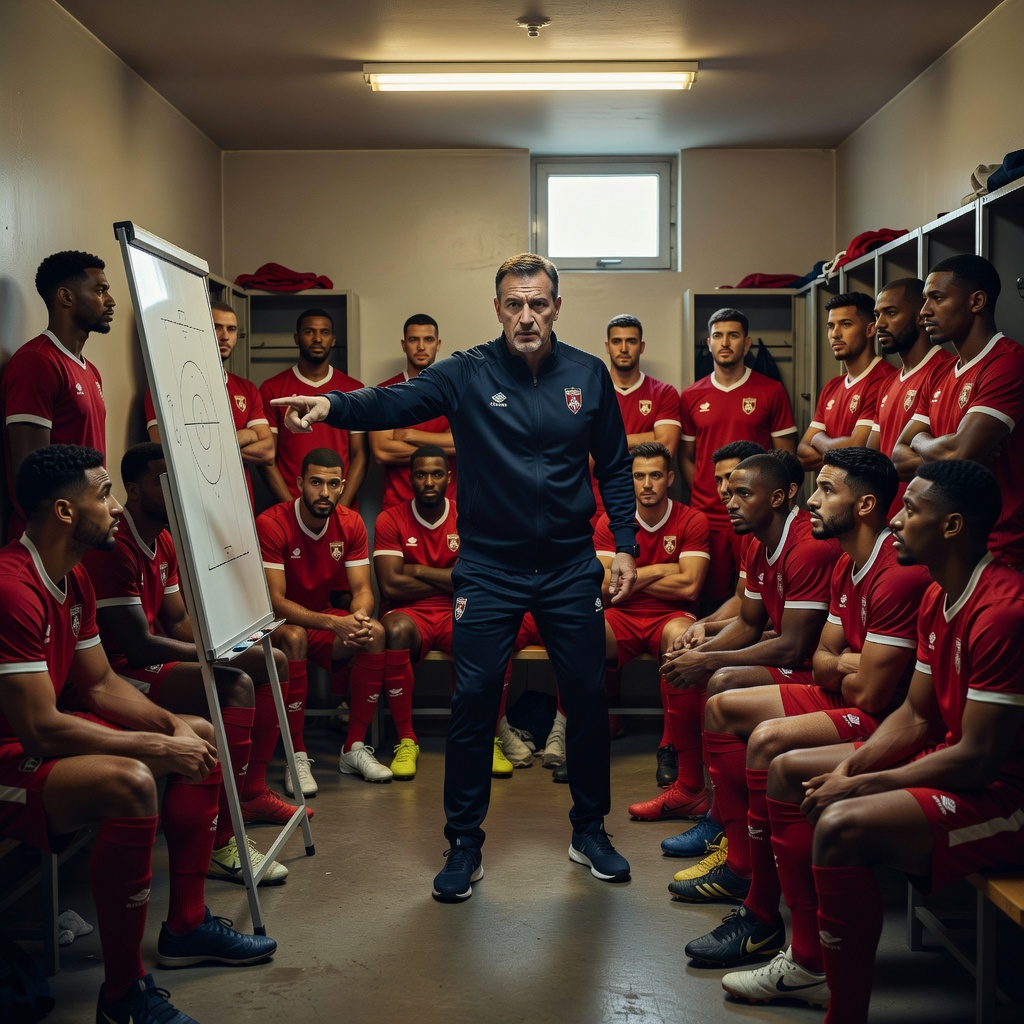
A coach briefing a national team squad in a dressing room before a match
Illustrative photograph of a dressing-room briefing.

George Raynor

Sweden, 1946–1954 and 1956–1958

Raynor's record with Sweden is extraordinary for a country of modest football resources: Olympic gold in London in 1948, third place at the 1950 World Cup in Brazil and a run to the 1958 World Cup final on home soil, where Sweden lost to a Brazil side featuring the teenage Pelé.

His meticulous scouting and tactical preparation were years ahead of English practice. Back home he received few offers and at one point managed Skegness Town, a contrast that captures how differently he was valued in Sweden and in England.

  • 1948Olympic gold with Sweden
  • 1950Third at the World Cup
  • 1952Olympic bronze
  • 1958World Cup runners-up
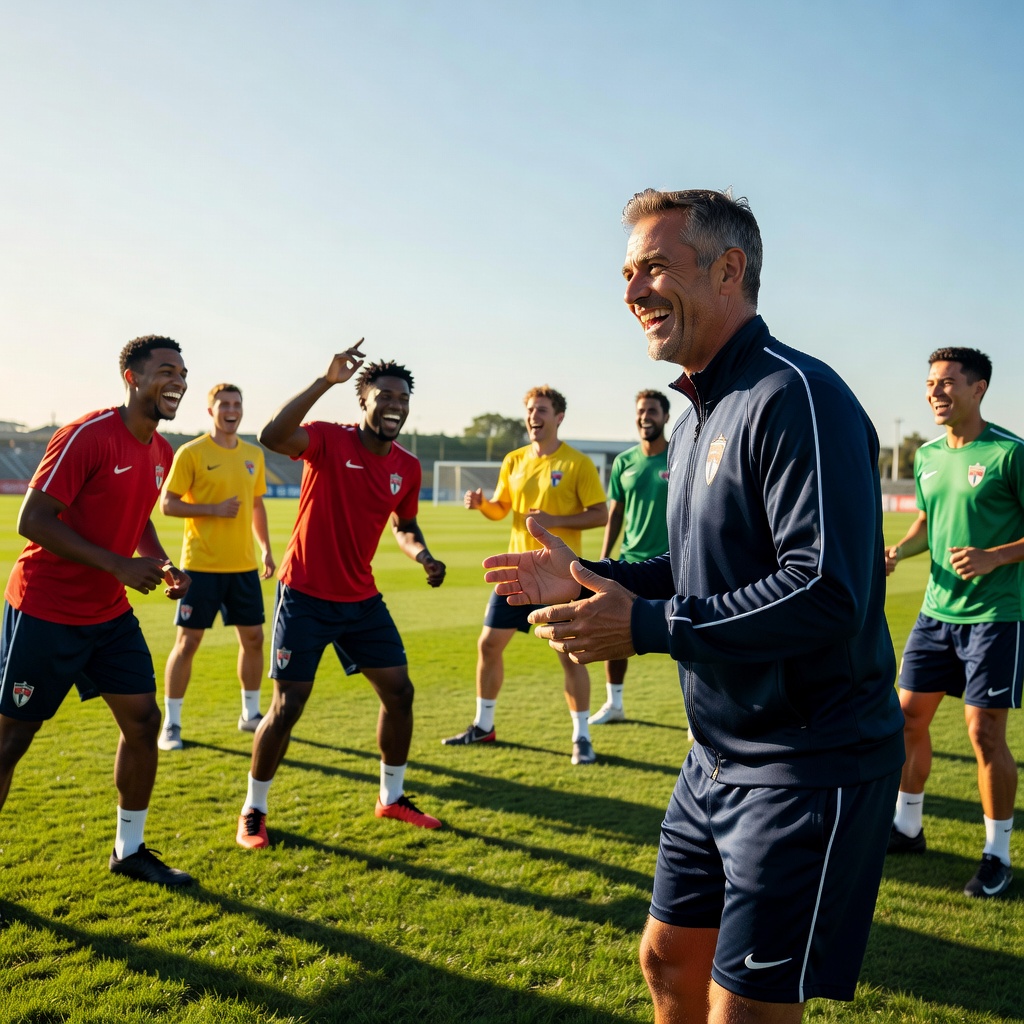
A smiling coach joking with players during a warm-up on a sunny pitch
Illustrative photograph of a relaxed warm-up.

Bora Milutinović

Five nations at five World Cups

Milutinović led a different country at five consecutive World Cups, and took four of them beyond the group stage. His gift was rapid adaptation: understanding a squad's character, lowering the pressure and finding a shape that suited the players available.

His Costa Rica side of 1990, assembled shortly before the tournament, beat Scotland and Sweden. His China team of 2002 marked that country's first World Cup appearance.

  • 1986Mexico reach the quarter-finals
  • 1990Costa Rica reach the round of 16
  • 1994United States reach the round of 16
  • 1998Nigeria reach the round of 16
  • 2002China's first World Cup
A quiet training ground lined with autumn trees and a coach setting out balls
Illustrative photograph of a northern training ground.

Roy Hodgson

Halmstad · Malmö · Switzerland · Inter

Before he was an English Premier League fixture, Hodgson was a young coach in Sweden. He took Halmstad, a team tipped for relegation, to the Allsvenskan title in 1976 and again in 1979. Alongside fellow Englishman Bob Houghton he helped spread zonal defending and pressing in Scandinavia.

He later won titles with Malmö, took Switzerland to the 1994 World Cup and coached Inter Milan. The breadth of that career is often forgotten.

  • 1976Swedish champion with Halmstad
  • 1979Second Halmstad title
  • 1994Switzerland reach the World Cup round of 16
  • 2010Europa League final with Fulham

What links them: listening first, then teaching. Each adapted to a new culture before asking it to adapt to him.

Continue to Ideas Others Borrowed Later.